How to Choose a Domain Name: A Practical Checklist
A checklist for judging a domain name, with the reasoning behind each point and where it is opinion.
A checklist for judging a domain name, with the reasoning behind each point and where it is opinion.

There is no official rulebook for a good domain name. What follows is a set of widely used rules of thumb. Where something is judgment rather than fact, it says so. Use the free domain name checker to run the mechanical checks quickly.
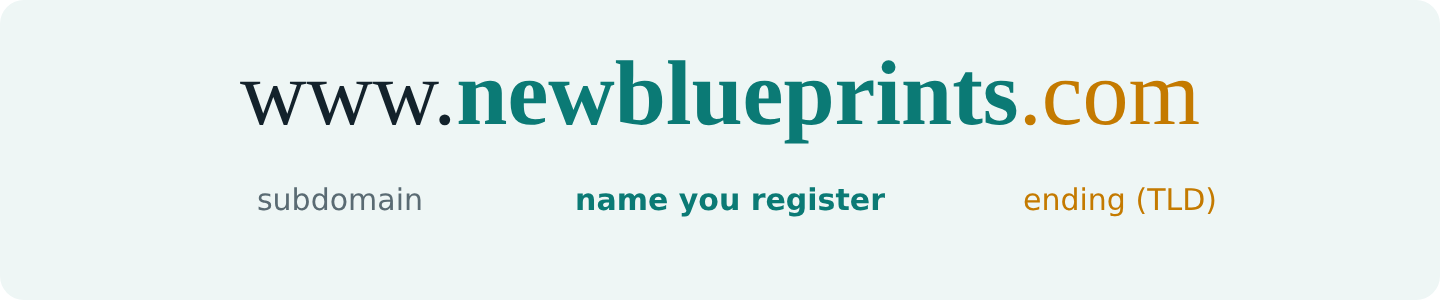
If a name is hard to spell after hearing it once, people will mistype it or fail to find you. This matters most when you share the name by voice, for example in a talk, a video or a phone call. Lengths vary: many people prefer short names, but a clear 18-character phrase can beat a short, confusing one. Treat length as a tiebreaker, not a rule.
Domain names have no spaces or capital letters, so words run together. Read the name as a stranger would. For example, a name made of the words "therapist" and "finder" can be misread when joined. Look for unintended words across the join.
Hyphens and digits are allowed, but they add a way to get the address wrong when it is spoken ("is that the number or the word?"). That is a usability cost, not a ban. The technical rules are narrower: a name cannot start or end with a hyphen, and the third and fourth characters cannot both be hyphens, because that position is reserved for internationalised names (RFC 5891, section 4.2.3.1). If you use one, plan to also register the plain version.
.com is the most widely recognised ending, so visitors who guess an address often try it first. This is a common view among domain professionals, not a measured guarantee. Other endings work well, especially with a distinctive name and an audience that knows the ending. Do not pick a weak name only to get a .com.
Search the name on the web and in the trademark database of the country you operate in. A name close to an existing brand in your field can lead to a dispute. All registrars follow the Uniform Domain-Name Dispute-Resolution Policy, which lets a trademark owner bring a complaint about an abusive registration. This is a risk check, not legal advice. Speak to a lawyer if the site will be commercial and the name is close to a known brand.
A name that was registered before may have old links or a spam past. Look it up in the Internet Archive's Wayback Machine and search for the name along with words like "spam" or "scam".
A name tied to one product can become awkward if you add another. Choose one that still makes sense if the site's scope widens.
Check the contact email on the registration, turn on auto-renew and keep a valid payment method. See why domain registrations lapse.
The rest of this guide is judgment, as stated above, not documented fact.